There are three main reasons for making
copper nanowires into wet powder (soaked in solvents such as ethanol/isopropanol) for packaging:
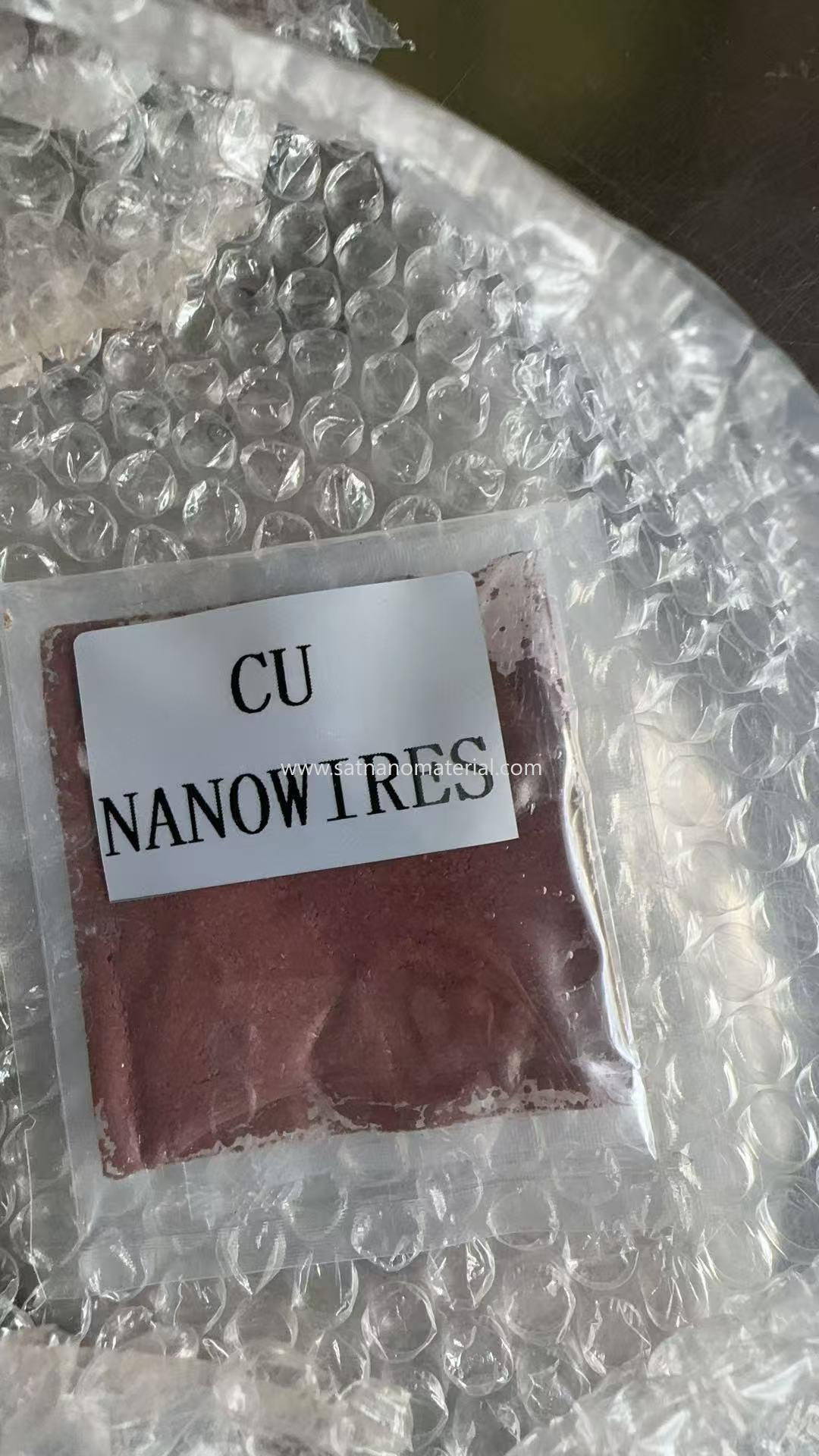
1. Preventing oxidation - The main reason is that copper nanowires have a diameter of tens of nanometers, a very large aspect ratio, a very high specific surface area, and extremely strong surface activity. When exposed to air in a dry state, it rapidly oxidizes to form Cu ₂ O/CuO, which changes color from red to black and sharply decreases conductivity - and the core value of copper nanowires is precisely conductivity. The wet state is isolated from air by solvents, which can significantly delay oxidation and ensure that customers receive it in good condition.
2. Safety - Reduce the risk of spontaneous combustion and dust. Metal nanoparticles with high specific surface area have high exothermic activity in a dry state, and there is a risk of heating or even spontaneous combustion when locally aggregated; Dry powder also belongs to combustible dust, and there is a risk of explosion during transportation and storage. Wet packaging significantly reduces these risks and facilitates transportation compliance.
3. Maintain dispersibility to avoid irreversible hard agglomeration of copper nanowires due to van der Waals forces and capillary action after drying, which makes it difficult for customers to disperse them again (forced ultrasound may also break the long wires). Under wet conditions, nanowires maintain their original dispersed state, and customers can directly dilute or mix them into conductive ink/slurry, saving the trouble of re dispersion.
Precautions for customers/procurement:
The weight of wet powder includes solvent, and the actual content of copper nanowires depends on the solid content indicated on the COA (usually 10-30%). Pricing is based on the net content
Confirm the solvent type (ethanol/isopropanol/water) and ensure compatibility with the customer's subsequent processes
Storage suggestion: Keep at low temperature, avoid light, and seal to prevent the nanowires from being exposed to air after solvent evaporation
If the color is too dark or there are lumps when receiving the goods, it may have oxidized and needs to be tested first
In summary, wet powder is a compromise solution of "oxidation prevention+safety protection+dispersion protection", sacrificing transportation weight in exchange for stable performance.



 online service
 13929258449
 admin@satnano.com
 + 8613929258449


