


CAS 7440-05-3 Pd nanopowder Ultrafine Palladium as catalyst
Size:20-30nm Purity:99.95% CAS No:7440-05-3 ENINEC No.:231-115-6 Appearance:black Powder Shape:spherical

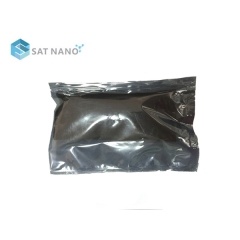
Size:20-30nm Purity:99.95% CAS No:7440-05-3 ENINEC No.:231-115-6 Appearance:black Powder Shape:spherical
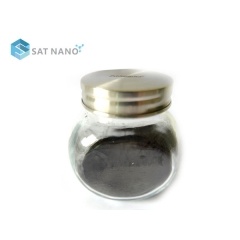
We can supply different size products of niobium silicide powder according to client's requirements. Size:1-3um; Purity:99.5%;Shape:granular CAS No:12034-80-9;ENINEC No.:234-812-3
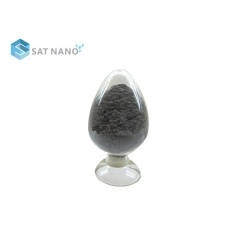
Ni2Si particle,99.5% purity,granular shape,is used for Microelectronic integrated circuit, nickel silicide film,etc. Size:1-10um; CAS No:12059-14-2;ENINEC No.:235-033-1
Mitochondria, as the energy center and core of apoptosis regulation in cells, are important targets for precise treatment of tumors. Directly delivering drugs or nucleic acids to mitochondria can effectively induce tumor cell death and overcome drug resistance. However, nanoparticles need to cross multiple biological barriers in vivo to reach mitochondria. Therefore, it is crucial to develop mitochondrial targeted nanomaterials that can efficiently cross multiple layers of barriers. Gold nanoparticles are considered an ideal platform for mitochondrial targeted therapy due to their stable structure, excellent photothermal performance, and easy surface modification. However, there is currently a lack of systematic comparative studies at the subcellular level in vivo.
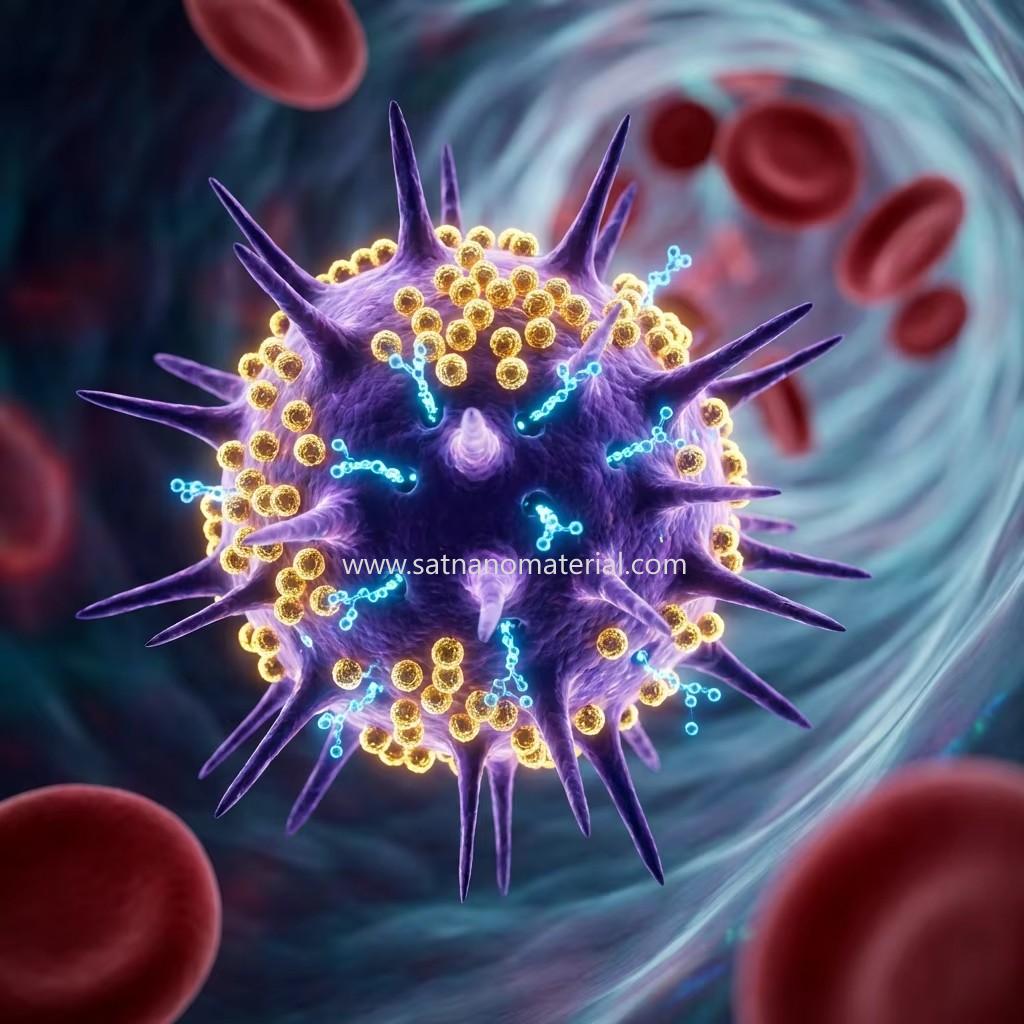
On February 17, 2026, the journal Advanced Materials reported that researchers have developed a high-throughput in vivo screening system based on DNA barcodes, which can simultaneously evaluate the distribution of multiple gold nanoparticles at the organ, cell type, and mitochondrial levels, achieving rapid screening of material libraries.
The study first verified the stability and reliability of the DNA barcode system in vitro. Six PEG/TPP modified gold nanoparticles maintained barcode stability under different pH, serum environment, and oscillation conditions, without affecting cell uptake and mitochondrial localization. Subsequently, the research expanded to a material library containing 30 types of gold nanoparticles, covering five morphologies (sphere, rod, triangle, cube, bipyramid), two sizes (40/80nm), and three types of tumor targeting ligands (FA, HA, RGD). By injecting a mixed material library into subcutaneous, in situ, and contralateral tumor models, researchers obtained over 1000 in vivo data at the tissue, cell subpopulation, and mitochondrial levels.
The results showed that mitochondrial targeting ability is highly correlated with tumor accumulation, and a single factor (morphology, size, or ligand) is not sufficient to determine the final expression, but rather multiple parameters work together. The two types of materials with the best performance are large-sized cubes (CL-FA) and large-sized spherical particles (PL-FA).
In the treatment validation, the researchers chose CL-FA as a candidate material, loaded with mitochondria targeting siATP6, and combined with mild photothermal therapy (approximately 47-48 ° C). The results showed that a single treatment can achieve 99% tumor suppression, accompanied by significant mitochondrial damage, decreased ATP levels, and increased cell apoptosis. At the same time, TAMs transform from immune suppressive M2 to immune activated M1, reshaping the tumor immune microenvironment. Both histological analysis and weight monitoring indicate that this treatment strategy has good safety.
This platform can not only be used for rapid screening of mitochondrial targeted materials, but also for analyzing the behavior of nanoparticles in different cell subpopulations, providing a powerful tool for precision nanomedicine.
Literature name: High-Throughput In Vivo Subcellular Analysis of Gold Nanoparticles for Tumor Mitochondrial Targeting


 online service
 13929258449
 admin@satnano.com
 + 8613929258449