


CAS 7440-05-3 Pd nanopowder Ultrafine Palladium as catalyst
Size:20-30nm Purity:99.95% CAS No:7440-05-3 ENINEC No.:231-115-6 Appearance:black Powder Shape:spherical

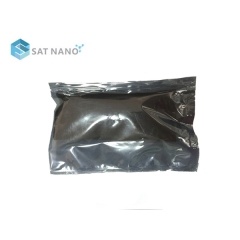
Size:20-30nm Purity:99.95% CAS No:7440-05-3 ENINEC No.:231-115-6 Appearance:black Powder Shape:spherical
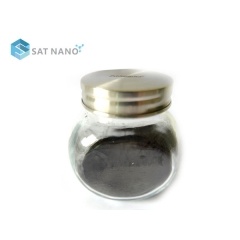
We can supply different size products of niobium silicide powder according to client's requirements. Size:1-3um; Purity:99.5%;Shape:granular CAS No:12034-80-9;ENINEC No.:234-812-3
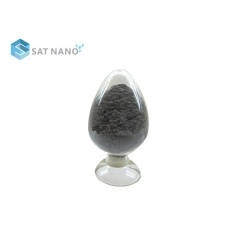
Ni2Si particle,99.5% purity,granular shape,is used for Microelectronic integrated circuit, nickel silicide film,etc. Size:1-10um; CAS No:12059-14-2;ENINEC No.:235-033-1
Nanomaterials are made up of ultra-fine particles of less than 100 nanometers (nm) and are unique in size and function beyond imagination. Nanotechnology is also a "double-edged sword". While bringing convenience to life, it also has potential risks.
Environmental ecological risk of nanomaterials
Researchers have used nematode model organisms to find that nanomaterials that enter the environment can be transported along the food chain, accumulating in high-level organisms and exhibiting toxic effects. It not only causes damage to the parents, but also damages future generations. In addition, physical, chemical and biological transformations occur when nanomaterials enter the environment, which changes the physicochemical properties and ultimately affects the toxicity of nanomaterials.
Studies have found that ionic strength in the environment can dedicate nanosilver to release smaller nanoparticles. This small particle size nanosilver is more toxic than the original nanosilver. The pH in the water environment and the natural organic fulvic acid have similar effects.
"Aging" is another major change in the release of nanomaterials into the environment. Nano-zinc oxide undergoes morphological changes and changes in composition during the aging process of the water environment, and flakes appear around the particles. The research team used the latest technology to analyze the physicochemical transformation of nano zinc oxide in the water environment, and found that the newly formed material mainly contains basic zinc carbonate and zinc hydroxide.
At the same time, the study also found that the water environment aging process affects the toxicity of nano zinc oxide to chlorella. Researchers say that aging zinc oxide has low toxicity to chlorella, which is due to the physical and chemical transformation of nano-zinc oxide during the aging process of water environment, gradually producing low-toxic basic zinc carbonate and zinc hydroxide, which reduces the small The toxicity of chlorella.
Using mammalian cell model studies, it has also been found that the cytotoxicity of nano zinc oxide decreases with aging, but it is surprising that its neurite outgrowth is significantly enhanced. Studies have shown that the transformation of physicochemical properties of nano-zinc oxide with the aging time plays an important role in the induction of mammalian cytotoxic effects.
Nanomaterials combined with contaminants can produce complex toxicity
Due to the high specific surface area and unique surface chemistry of nanomaterials, when it enters the environment, it can be combined with a wide range of toxic pollutants, especially in water environments. Water is more active than soil and atmosphere. When artificial nanomaterials enter water, it is more prone to changes in agglomeration state, migration and chemical/biological transformation. That is to say, there are more opportunities for nanomaterials to interact with toxic pollutants. Researcher Wu Lijun said: "The composite effect between nanomaterials and pollutants will not only affect the environmental behavior and toxic effects of pollutants, but also have a significant impact on the physical and chemical properties and biological effects of nanomaterials themselves."
The researchers also cited another example of their research. Graphene oxide can reduce the cytotoxicity and genotoxicity of the organic pollutant polychlorinated biphenyl (PCB52) and play a role in cell self-defense. However, graphene oxide also has a strong adsorption and enrichment effect on heavy metal arsenic. Another higher yield of titanium dioxide also has a strong adsorption and enrichment effect on arsenic, while low concentration of titanium dioxide can significantly increase the toxicity of arsenic. These studies provide a new reference for the potential ecological risk assessment of nanomaterials.


 online service
 13929258449
 admin@satnano.com
 + 8613929258449