


CAS 7440-05-3 Pd nanopowder Ultrafine Palladium as catalyst
Size:20-30nm Purity:99.95% CAS No:7440-05-3 ENINEC No.:231-115-6 Appearance:black Powder Shape:spherical
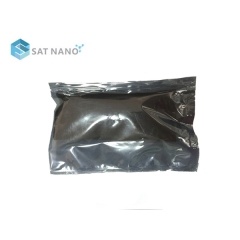
Size:20-30nm Purity:99.95% CAS No:7440-05-3 ENINEC No.:231-115-6 Appearance:black Powder Shape:spherical
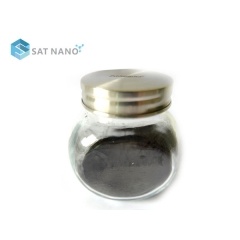
We can supply different size products of niobium silicide powder according to client's requirements. Size:1-3um; Purity:99.5%;Shape:granular CAS No:12034-80-9;ENINEC No.:234-812-3
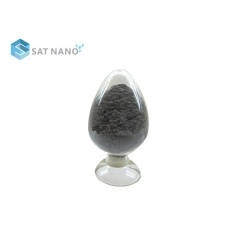
Ni2Si particle,99.5% purity,granular shape,is used for Microelectronic integrated circuit, nickel silicide film,etc. Size:1-10um; CAS No:12059-14-2;ENINEC No.:235-033-1
Various household products made of silver are the earliest antibacterial devices used by people. Archaeological studies have shown that China had already used silver as a drinking utensil as early as the Xia Dynasty, while ancient Greeks used silver bowls to hold drinking water, and ancient Romans used silver containers to preserve wine. These are all achieved by utilizing the natural antibacterial properties of silver.
Modern medical research has shown that silver can exert antibacterial effects through the dual synergistic effect of silver ions and nanosilver. Among them, silver ions can bind to bacterial cell membranes, leading to increased permeability and inducing their death; Binding with active groups such as thiol and amino groups in bacterial metabolic enzymes leads to the loss of enzyme activity and interferes with bacterial energy metabolism; It can also bind to the DNA/RNA of bacteria, prevent gene replication and transcription, disrupt bacterial reproductive ability, and exert antibacterial and bactericidal effects. Nano silver is more likely to penetrate the cell membrane of pathogens and exert a more lasting antibacterial effect at extremely low concentrations. Under the influence of an electric field, silver containing substances can release more silver ions, enhancing local antibacterial efficiency.
In addition to its powerful antibacterial function, silver also has the function of promoting tissue cell repair and regeneration, accelerating wound convergence and healing. Therefore, it is commonly used in antibacterial therapy as an external medicine or dressing for preventing and treating injuries and skin infections. In 1884, German obstetrician Karl Krede used silver nitrate solution for neonatal eye disinfection, successfully preventing neonatal gonococcal conjunctivitis, marking the official entry of silver containing drugs into the modern medical application system.
Silver is a key core material for controlling wound infections and promoting their healing. In 1968, sulfamethoxazole silver, which combines the dual antibacterial effects of sulfonamide drugs and silver ions, was used for the prevention and treatment of burn wound infections, with significant effects on common pathogenic bacteria such as Pseudomonas aeruginosa. The application of this drug has become a milestone event in burn surgery, saving the lives of a large number of patients. Many silver containing drugs have important application value in local anti infective treatment. Silver nitrate solution can be used for local treatment of mucosal ulcers, anal fissures and other diseases, using its astringent and antibacterial effects to promote wound healing. In dermatology, silver containing cream exerts therapeutic effects by regulating the skin microbiota and inhibiting the growth of pathogenic bacteria, and can be used to treat skin diseases such as acne, eczema, and secondary infections. By alternating with antibiotics, silver containing drugs can significantly inhibit the formation of bacterial resistance.
With the development of materials science, new types of silver containing dressings continue to emerge. Silver nitrate, nano silver and other substrates are loaded on medical gauze, hydrogel, alginate and other substrates to achieve antibacterial, moisturizing, absorption of exudate and other multifunctional integration, which can prevent bacterial infection, accelerate the shedding of necrotic tissue, promote healing, and reduce scar hyperplasia and formation. Especially nano silver materials have stronger and more durable antibacterial properties, as well as the ability to induce the production of reactive oxygen species and enhance antibacterial capabilities, making them a remarkable antibacterial material and an important antibacterial raw material for medical dressings and daily antibacterial clothing.
Silver has strong antibacterial properties and good biocompatibility, and is non-toxic and harmless to the human body. Therefore, it is often used to manufacture coatings for various medical devices that come into contact with the human body, thereby reducing the risk of iatrogenic infections. For example, silver alloy indwelling catheters can reduce the incidence of urinary tract infections from 28% of conventional materials to 2%, and the application of silver coating on the surface of tracheal intubation can reduce the incidence of ventilator-associated pneumonia. In addition, silver coating is widely used in surgical sutures, cardiovascular prostheses, bone cement, dental fillers and other instruments. Silver coating can build an antibacterial barrier at the interface between the human body and medical devices by continuously releasing low concentrations of silver ions, reducing the occurrence of infection related complications.


 online service
 13929258449
 admin@satnano.com
 + 8613929258449